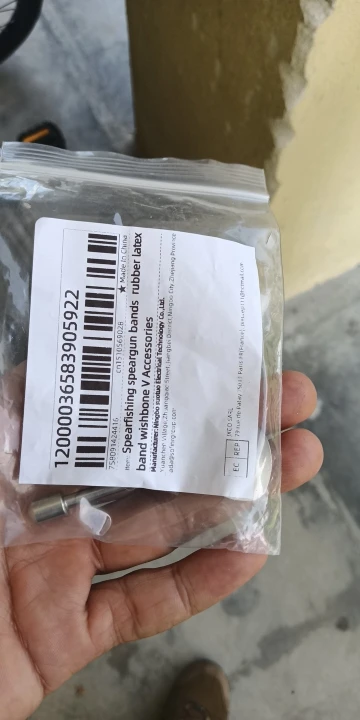
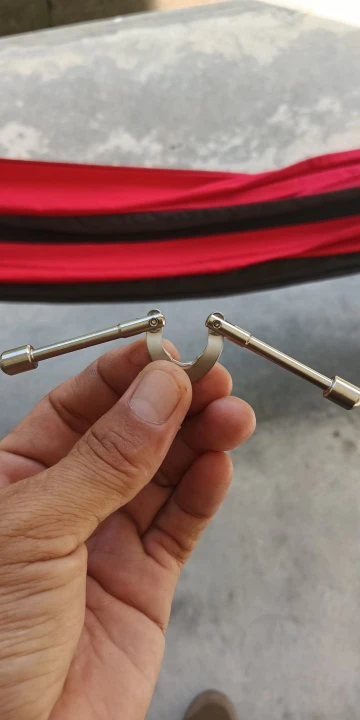
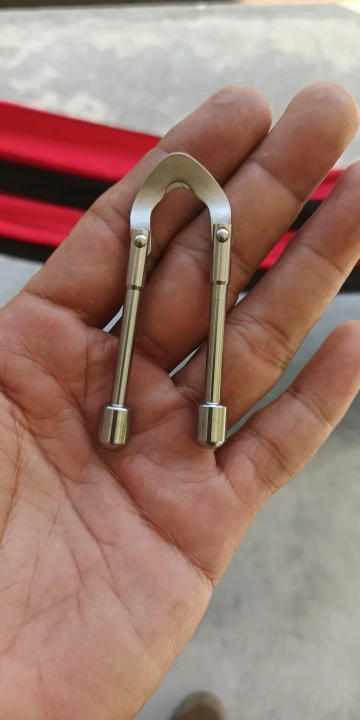
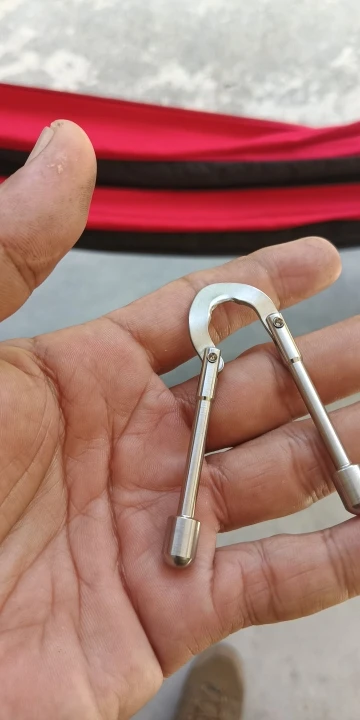
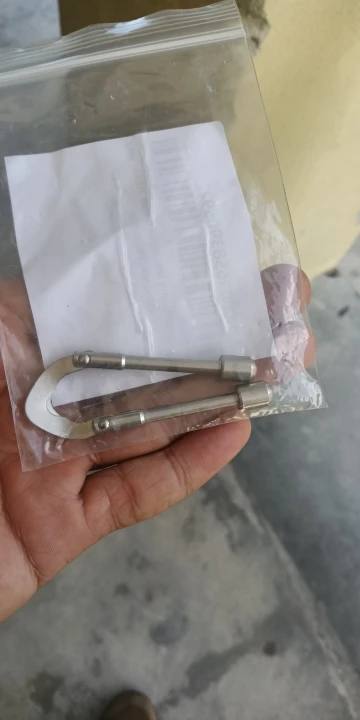
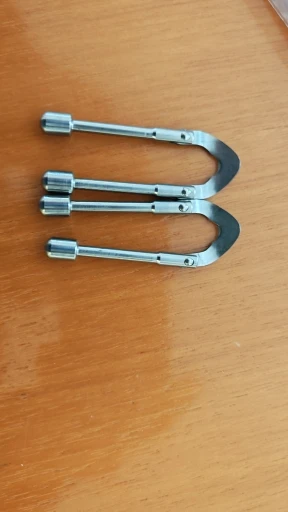
Omer Fishing Stringer Stainless Steel Live Fish Lock Belt Fishing Tackle Fishing Lock Buckle

Description
Omer Fishing Stringer Stainless Steel Live Fish Lock Belt Fishing Tackle Fishing Lock Buckle
* 120cm Floating Rope:
* Easy to Use:
* Versatile Application:
* Compact & Portable:
Material: Stainless steel +Nylon monofilament
Length for Nylon monofilament: 120cm
Length for needle: 16cm
Diameter for pvc: 3mm
Diameter for needle: 6mm
Packing:1pc/lot
What is a Fish Stringer?
A fish stringer is a simple device used by anglers to keep caught fish alive and fresh in the water until they are ready to leave. It allows you to secure multiple fish without taking up space in a cooler or livewell.
Chain/String with Pin (Classic Stringer)
· Design: A heavy cord, cable, or chain (3-10 feet long) with a large ring or clip on one end and a sharp, pointed pin or clasp on the other.
· How it works: You run the pin through the fish's lower jaw or gill plate, then slide the fish down the cord and secure the pin through the end ring. Fish are strung sequentially.
· Best for: Calm, freshwater environments (lakes, ponds, slow rivers). Generally for smaller to medium-sized fish like bass, panfish, walleye.
· Pros: Inexpensive, simple, compact.
· Cons:
· Can injure the fish, making it illegal if you intend to release them.
· Vulnerable to turtles, alligators, sharks, or large fish biting the line.
· Fish can tangle in vegetation.
How to Use a Fish Stringer Correctly & Safely
1. Secure the End First: Always tie the end ring securely to your boat, dock, or a sturdy object on shore. Never attach it to yourself.
2. String the Fish Properly:
· For jaw-stringing (most common): Insert the pin or clip through the bottom of the fish's jaw, coming up through the mouth. Avoid the gills and critical blood vessels. For clip stringers, simply close the clip on the jaw.
· For gill-stringing (for larger, tougher fish): Some run the pin through the gill plate and out the mouth. This is more secure but more damaging. Never use this method if you plan to release the fish.
3. Keep Fish in the Water: Place the strung fish in cool, oxygenated water. Avoid dragging them in muddy, warm, or stagnant areas.
4. Check Frequently: Periodically check that your fish are still alive and that no predators are bothering them.
Critical Tips & Warnings
· PREDATOR WARNING: A string of struggling fish is a dinner bell. In saltwater (sharks, barracuda, alligators), or freshwater with alligators, large pike, or snapping turtles, a chain stringer is mandatory. A cord can be bitten through in an instant. In high-risk areas, a cooler with ice is often safer.
· Never Release Stringered Fish: A fish on a stringer is considered "harvested" in most places. The injury and stress mean it likely won't survive if released. Know your regulations.
· Use in Appropriate Depth: Ensure the water is deep and cool enough to keep fish healthy. Don't string fish in very shallow, warm water.
· Check Local Regulations: Some areas have rules against stringers or specific requirements for certain water bodies.
· For Catch and Release: Do not use a stringer. Use a livewell or a large, water-filled catch-and-release tube.
The Bottom Line
· For casual freshwater fishing in safe waters, a simple cord or chain stringer works fine.
· For larger fish or areas with predators, a chain or heavy metal snap stringer is essential.
· In saltwater or high-predator areas, strongly consider using a cooler with ice instead. It's the surest way to keep your catch and avoid attracting unwanted attention.
In summary, a fish stringer is a classic, effective tool for keeping a limit of fish fresh, but it must be used with caution and an awareness of the environment to avoid losing your catch—or worse.